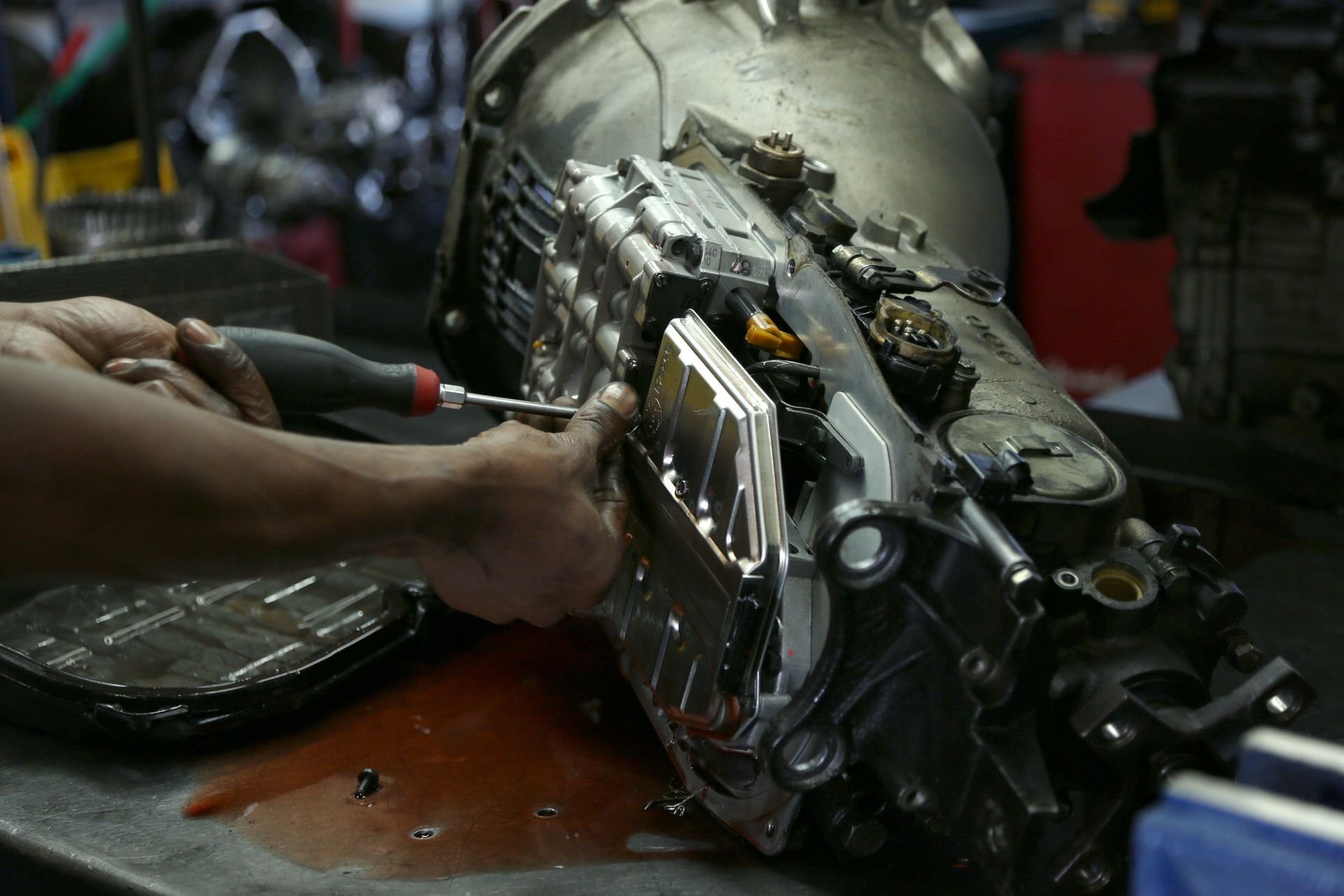
How Often Should You Schedule Professional Transmission Repair?
Your transmission is one of the most important parts of your vehicle. When something goes wrong, transmission repair can be one of the most expensive fixes you'll face. The good news is that a proper maintenance schedule can help you avoid major breakdowns and protect your investment for the long haul.
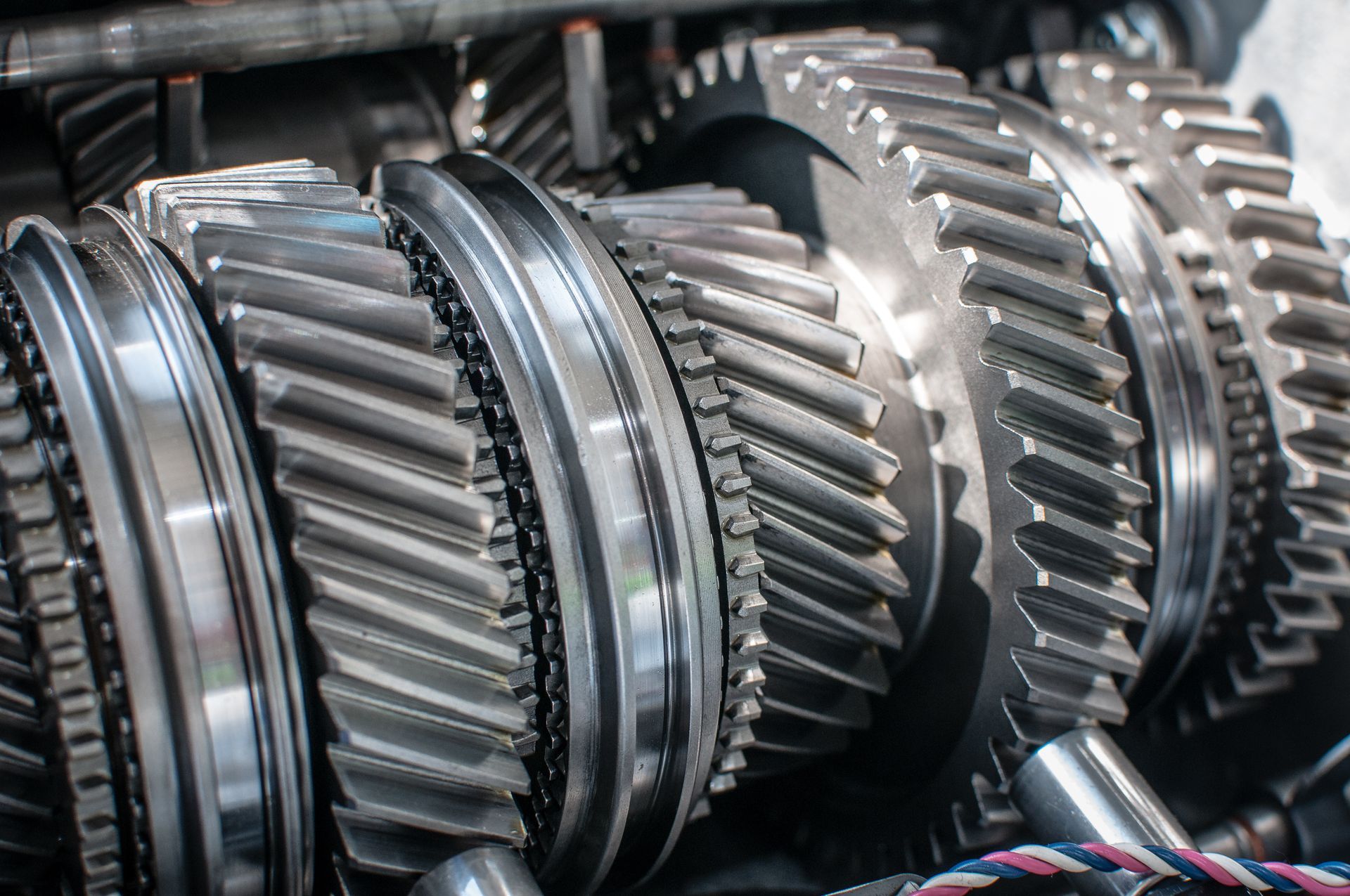
Why Transmission Maintenance Is So Important
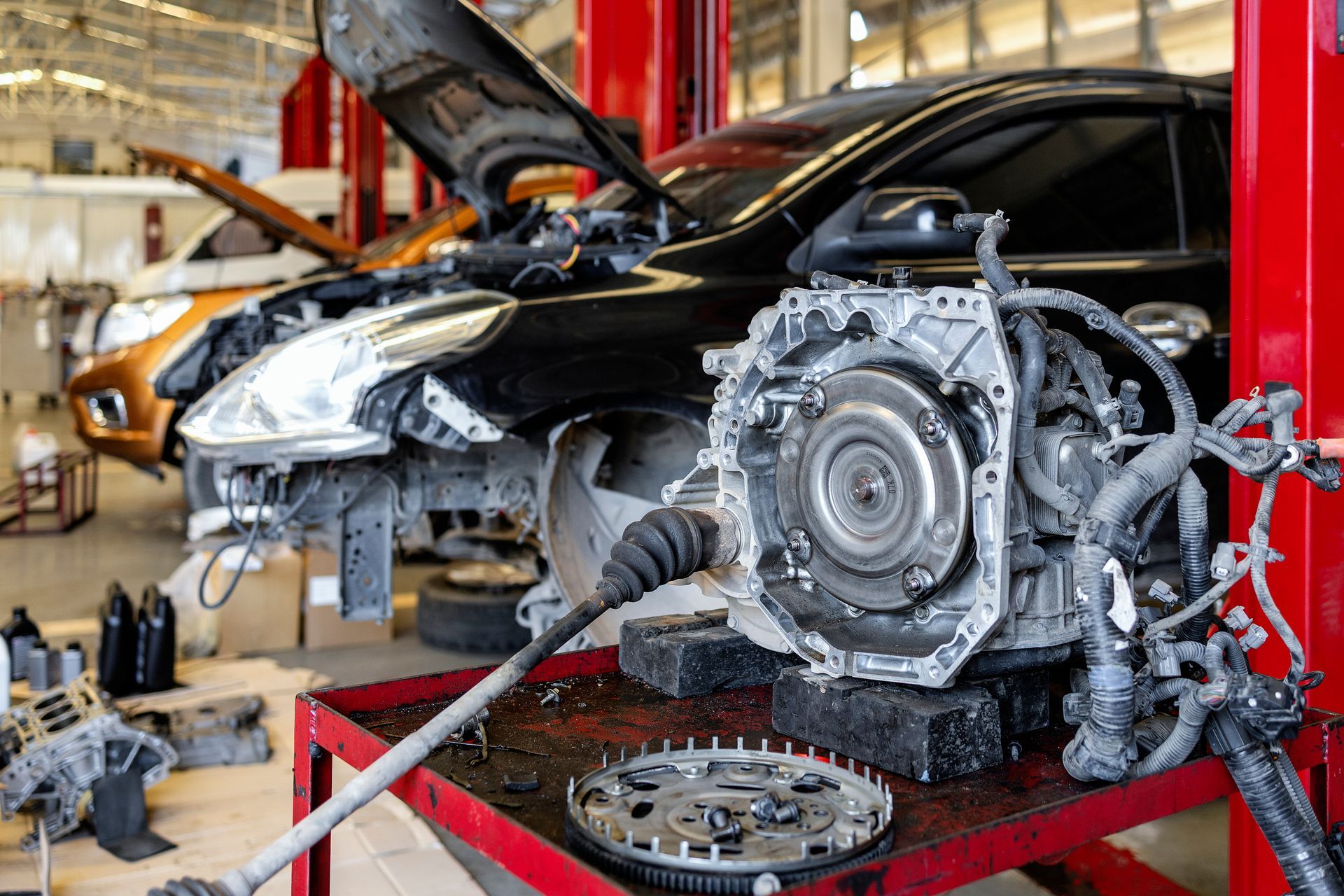
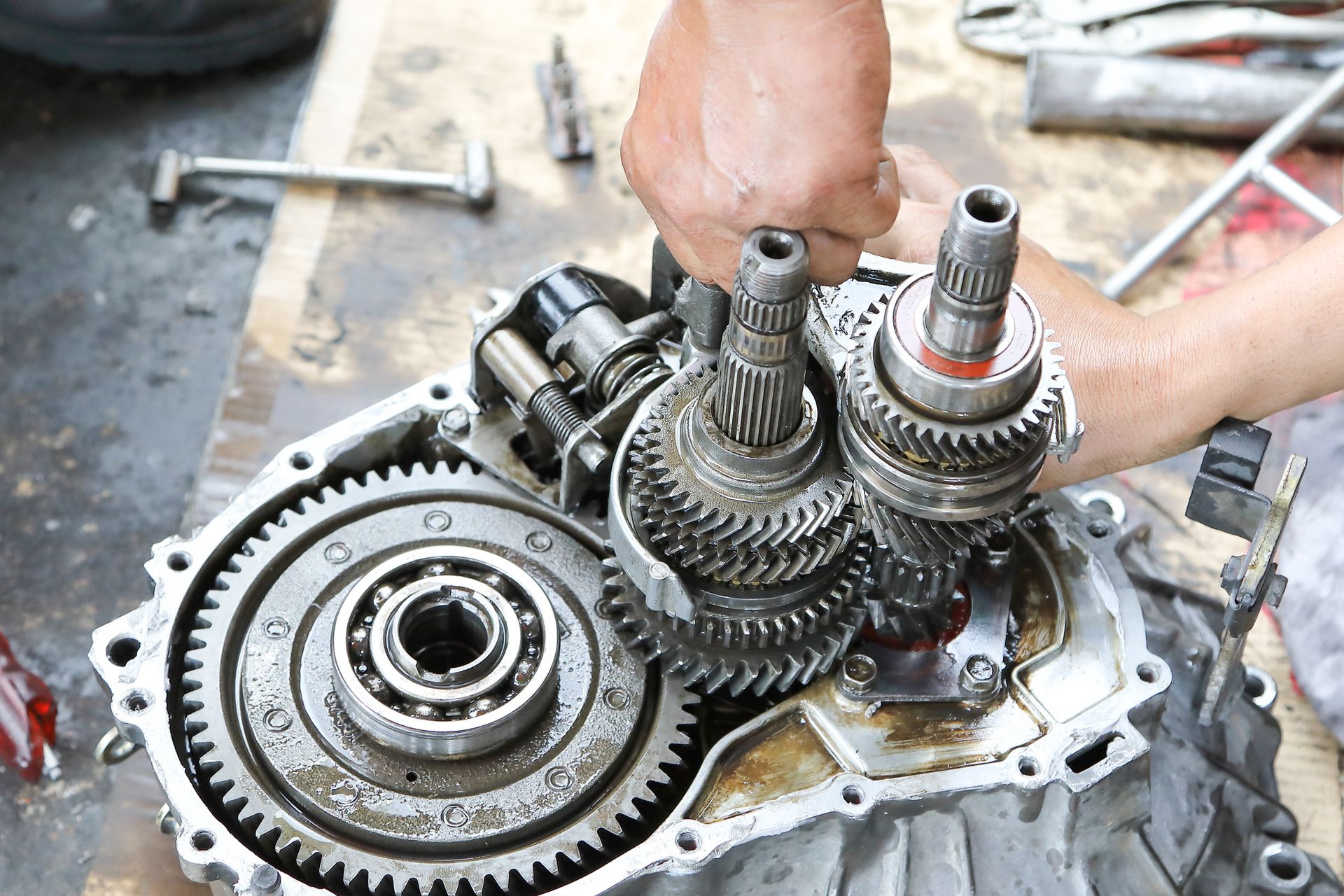
Your transmission moves power from the engine to the wheels. It works hard every single time you drive. Without regular care, small problems can turn into big ones fast. That’s why transmission repair is crucial to address issues before they cause major damage.
Transmission fluid is the lifeblood of the system. Transmission fluid helps keep mechanical components cool and lubricated, regardless of whether the gearbox is automatic or manual. Over time, that fluid breaks down and collects tiny particles. Over time, the transmission’s interior components wear down, and tiny particles contaminate the fluid, which could potentially lead to damage. Regular transmission repair and maintenance help ensure your vehicle continues running smoothly.
How Often Should You Schedule Service?
There is no single answer for every car. Your service schedule depends on your vehicle type, age, and how you drive. Here are the general guidelines most experts follow.
Automatic Transmission Service Intervals
Automatic transmissions are the most common type on the road today. Most manufacturers recommend servicing automatic transmissions every 60,000–100,000 miles. However, that number can change quickly based on your driving habits.
Being proactive with scheduled maintenance every 50,000–60,000 miles, combined with professional flushes and filter replacements, remains the most cost-effective strategy to avoid expensive repairs and extend transmission life.
Manual Transmission Service Intervals
If you drive a vehicle with a stick shift, your fluid needs change more often. If you drive manual, most manufacturers will recommend changing your transmission fluid every 30,000 to 60,000 miles.
Heavy use pushes that interval even shorter. Drivers with manual transmissions who put heavy-duty use into their vehicles may want to change their fluid every 15,000 miles. If you use your vehicle for towing, hauling, or spirited driving, plan to service it more often.
CVT Transmission Service Intervals
Continuously variable transmissions are found in many newer vehicles. For CVTs, guidelines usually fall between 30,000 and 60,000 miles. Most CVTs need inspections and/or fluid changes, so don't assume yours is maintenance-free just because it feels smooth.
When to Check Fluid Between Services
You do not have to wait until your service milestone to take a look. You should check your transmission fluid every 3,000 to 5,000 miles, ideally whenever you change the oil. If the fluid looks dark or smells burnt, bring it in right away. Fresh transmission fluid will typically be bright red, and if yours looks dark brown or blackened, you may want to have your transmission checked out.
How Dublin Driving Conditions Affect Your Transmission
Living in the Tri-Valley area means your vehicle works harder than average. Local driving conditions in Dublin, CA, put extra stress on your transmission in ways that many drivers do not realize.
Stop-and-Go Traffic on I-580 and Local Roads
Dublin sits along busy corridors like I-580 and Dublin Boulevard. Daily commuters deal with frequent starts, stops, and slow-and-go traffic. This type of driving is especially hard on your transmission. Some conditions may warrant shorter transmission fluid change intervals, such as stop-and-go traffic or at the first sign of transmission problems, such as gear slippage, grinding noises, delayed shifting, and excessive vibration.
Summer Heat in the Tri-Valley
The Tri-Valley region, including Dublin, regularly sees high summer temperatures. Heat is the number one enemy of your transmission fluid. Heat is the biggest killer of your transmission, partly because it's the biggest killer of your transmission fluid.
Old fluid cannot manage heat effectively. Old fluid can't dissipate heat effectively. Once temperatures exceed 220°F, fluid oxidizes rapidly, and friction modifiers break down. The result is poor lubrication, delayed shifts, and accelerated clutch wear.
Signs You Need Transmission Repair Sooner
Do not wait for a scheduled service if your car is already showing warning signs. Catching issues early can mean the difference between a simple fix and a full rebuild.
Watch for these red flags:
- Slipping gears or delayed shifts.
- Grinding or unusual noises while driving.
- Fluid puddles or leaks under your vehicle.
- A burning smell coming from the engine area.
- The check engine or transmission warning light coming on.
When you notice that you are having issues with your transmission or clutch, it is very important to have it checked as soon as possible. Many times you can prevent a minor problem from becoming a major repair. Scheduling transmission repair early is one of the best ways to protect your vehicle from more serious damage down the road.
Fluid Change vs. Flush: What Is the Difference?
Many drivers confuse a fluid change with a full flush. They are not the same thing.
A standard fluid change drains the fluid from the pan and replaces part of it. A transmission fluid change involves draining the old transmission fluid from the transmission pan, replacing 30 to 40 percent of the fluid, and installing a new transmission filter.
A flush goes further. A flush involves completely flushing out all the old transmission fluid from the system. Special transmission flush fluid is circulated into the transmission system, cleaning out any residue or contaminants. A flush replaces nearly 100 percent of the old fluid.
Which one do you need? It depends on your vehicle's mileage, condition, and history. Unlike a full transmission flush, which replaces nearly 99% of the fluid, a drain and fill or pan drop service is often the safer and more practical option, especially for vehicles with over 70,000 miles. A trusted technician can recommend the right service for your specific car.
Automatic vs. Manual: Different Cars, Different Needs
Your transmission type shapes how often you need professional service. Here is a quick side-by-side comparison to keep in mind.
- Automatic transmissions are sealed systems with complex hydraulics. They handle gear changes on their own. They require fluid changes every 50,000–100,000 miles under normal conditions, but sooner with heavy use or heat. Inspections should happen at every major service milestone.
- Manual transmissions rely on the driver to shift gears and use a clutch system to connect the engine. They need fluid changes every 30,000–60,000 miles, sometimes as often as every 15,000 miles with hard use. The clutch components also need periodic inspection for wear.
A Simple Maintenance Schedule to Follow
Not sure where to start? Use this easy schedule as your guide:
- Every 3,000–5,000 miles: Check fluid level and color.
- Every 15,000–30,000 miles: Service if you drive a manual or tow frequently.
- Every 30,000–60,000 miles: Service if you drive a CVT or high-use automatic.
- Every 50,000–100,000 miles: Service under normal driving conditions for automatic transmissions.
- Any time: Bring it in if you notice warning signs.
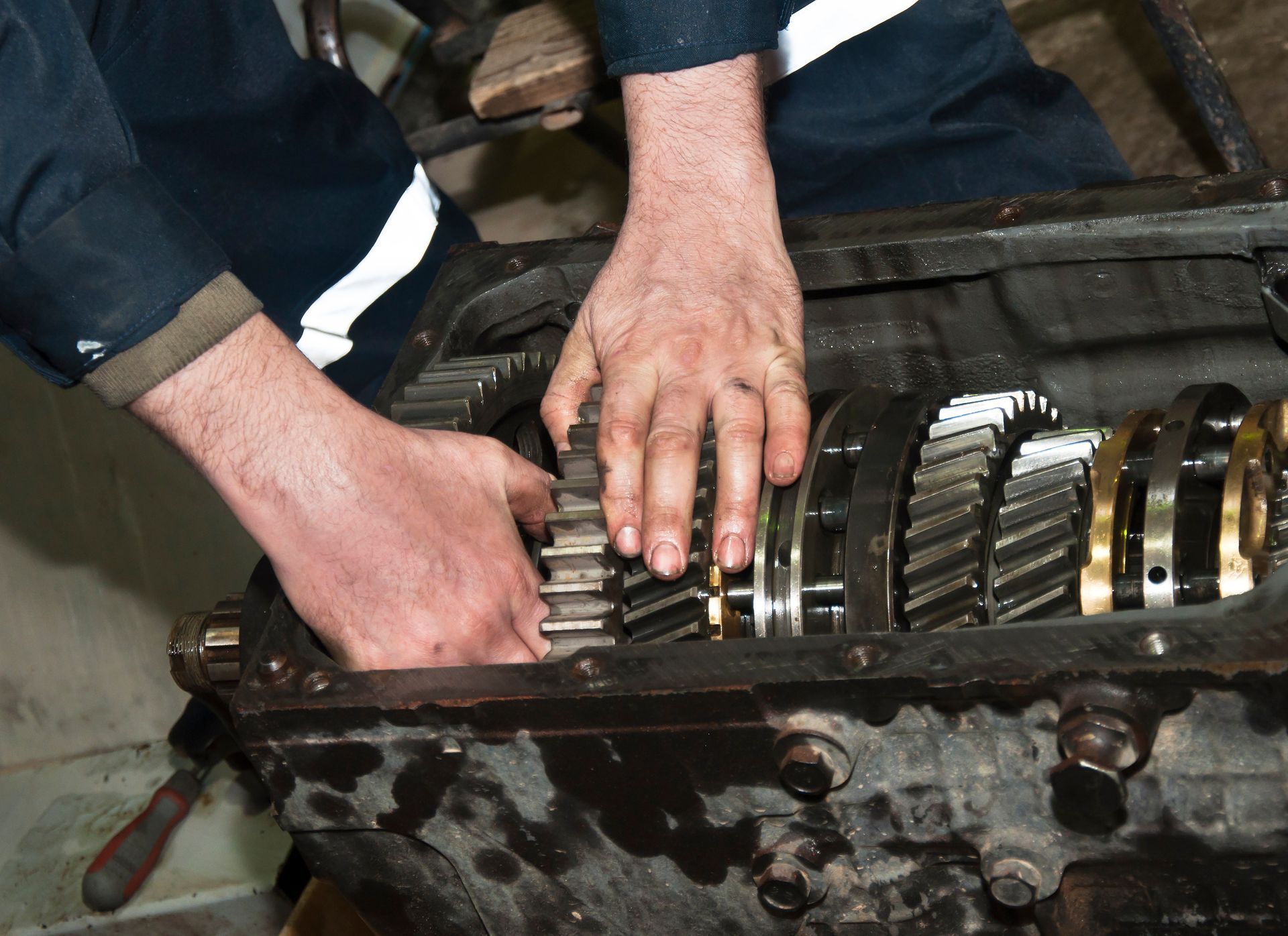
Ready to Schedule Your Transmission Repair?
Whether your transmission is slipping, shifting hard, leaking, or you need diagnostics, they can save you time and money over the dealership’s. They can help with transmission repairs, transmission flushes, clutch repairs, full rebuilds, and performance upgrades. Do not wait until a small issue becomes a costly breakdown. Reach out through our contact page to schedule your appointment today. The team at Schuck's Transmission is ready to keep your vehicle running its best.